%2Ffit-in%2F250x250%2Fguide_websites%2F946%2Fimages%2Funtitleddesign.png&w=1920&q=100)
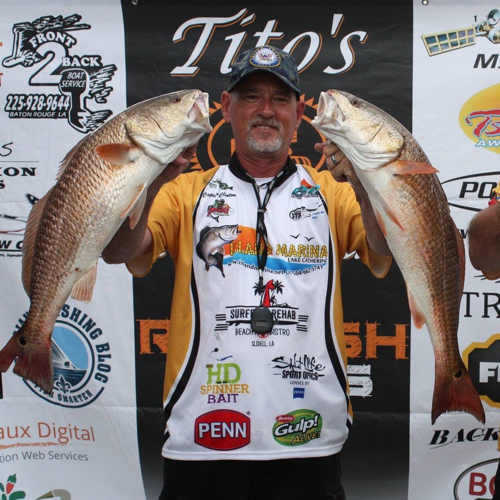
Atlantic Croaker and Squeteague Catch in New Orleans
Inshore Fishing in New Orleans - What to Expect
5.0

9 Reviews
- 5
 100%
100% - 4
 0%
0% - 30%
- 20%
- 10%
%2F%2Fusers%2Fc50e671f-fa78-4e11-827e-9daa51fb3294%2Fimages%2Fcroaker-squeteague-new-orleans-catch-5111.png&w=1920&q=75)
Fishing Charter by Captain Clinton de Armas in September
Meet your Captain Clinton De Armas
- Louisiana premier inshore fishing-trophy redfish!


Summary
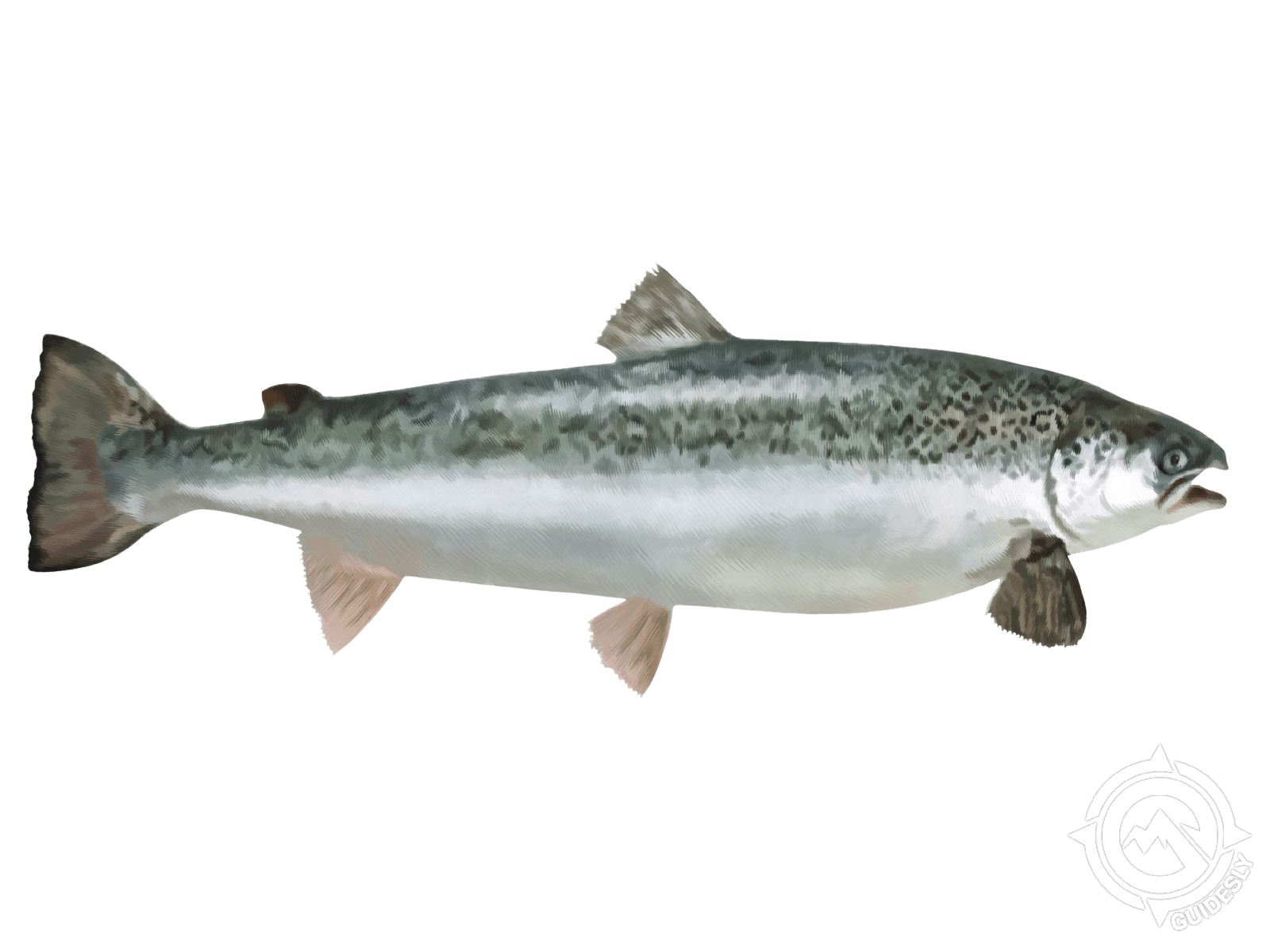
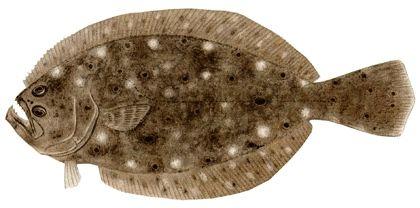
Join Captain Clinton de Armas of Get'n Hooked Inshore Adventures on Wednesday, September 16th for an afternoon fishing charter in New Orleans. This inshore fishing trip targets trophy redfish and other species in Louisiana's productive marshes, with a solid chance of landing Atlantic Croaker, Squeteague, Flounder, and more.
Inshore Fishing with Captain Clinton - Rates & Booking
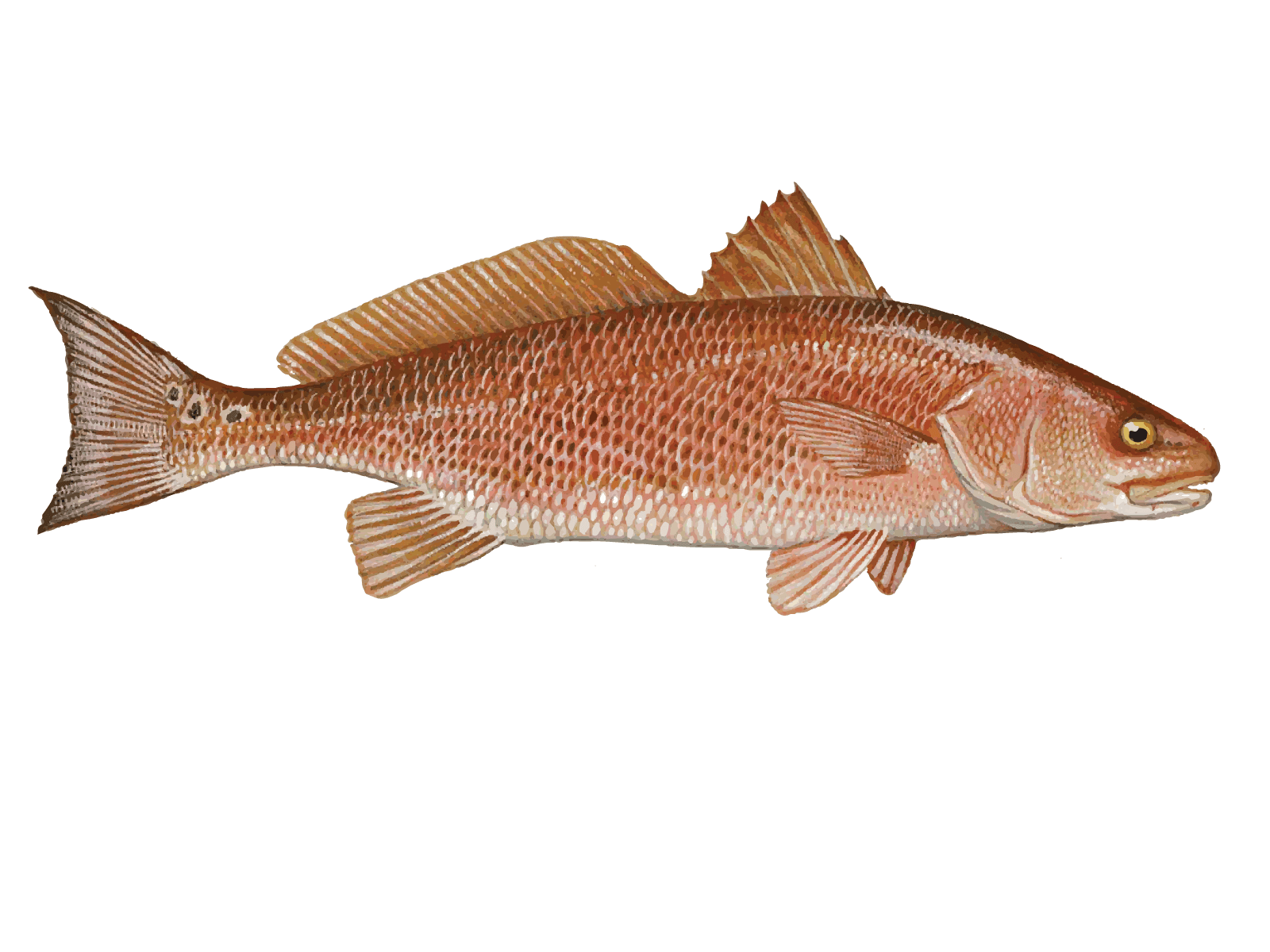
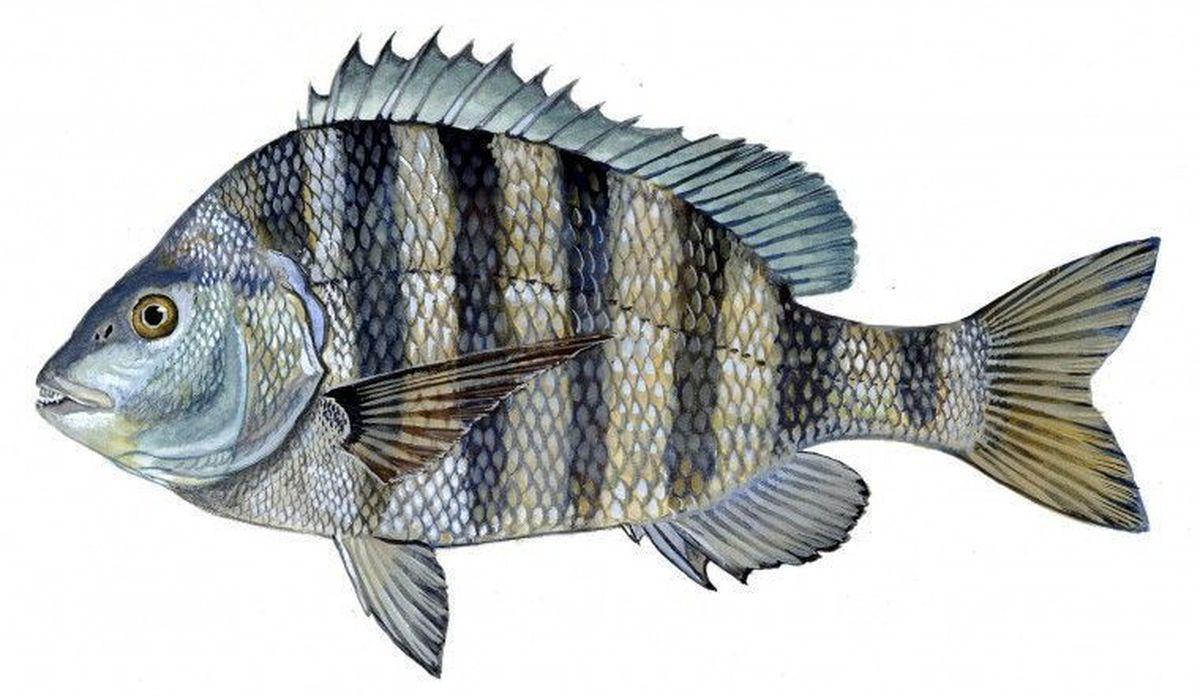
Captain Clinton de Armas of Get'n Hooked Inshore Adventures offers an afternoon fishing charter on Wednesday, September 16th that targets the prized fish of Louisiana's marshes. This trip accommodates two guests and focuses on inshore species including redfish, flounder, speckled trout, sheepshead, and black drum. With over 50 years of experience navigating these waters, Captain Clinton knows exactly where the fish are holding and how to get you in front of them. Book your charter today to experience world-class inshore fishing guided by a true Louisiana veteran.
Highlights of Trophy Redfish Fishing with 50 Year Veteran Captain in Louisiana Marshes
This afternoon adventure puts you on the water with a guide who's spent five decades perfecting his craft in these specific marshes. You'll be targeting trophy-sized redfish, but the day often brings surprise catches like Atlantic Croaker and Squeteague that add excitement to every cast. The shallow, productive waters around New Orleans create ideal conditions for multiple species, and Captain Clinton's knowledge means you're fishing prime locations rather than hoping to stumble onto them.
The experience combines technical fishing with genuine local hospitality. Whether you're a seasoned angler or new to saltwater fishing, Captain Clinton's patient approach and extensive expertise make the day rewarding regardless of skill level. The intimate two-person group size keeps things personal and allows for focused instruction and genuine connection on the water.
Local Species Insights: Atlantic Croaker and Squeteague
Atlantic Croaker and Squeteague are signature species in New Orleans inshore waters, and they're exactly what you'll encounter on this charter. These fish thrive in the brackish marshes and shallow bays surrounding the city, where freshwater from the Mississippi River mixes with Gulf salinity. Croaker are bottom feeders known for their distinctive grunting sound, and they typically range from 8 to 14 inches, though larger specimens show up regularly. Squeteague, also called Spotted Seatrout, are sleeker predators that hunt smaller baitfish in shallow grass beds and sandy areas.
What makes these species particularly rewarding to pursue is their aggressive nature and willingness to take artificials and live bait alike. The Louisiana marsh environment provides perfect hunting grounds for both species, with plenty of structure, depth variation, and natural food sources. Captain Clinton's strategy targets the zones where these fish congregate based on tide, time of day, and seasonal patterns he's refined over decades. The combination of Atlantic Croaker and Squeteague catches seen in your gallery photo represents exactly the kind of diverse, productive day that makes this charter memorable.
Beyond the main targets of redfish, you might also connect with Flounder hiding along channel edges, Sheepshead probing structure for crustaceans, or Black Drum cruising deeper water. The variety keeps your mind engaged and your casting arm busy throughout the afternoon. Each species presents its own challenge and reward, and that unpredictability is part of what makes inshore fishing around New Orleans so addictive for returning anglers.
Plan Your Fishing Day
This afternoon charter accommodates two guests and takes advantage of peak fishing windows during the optimal tide periods. Captain Clinton handles all the strategic decisions about location, technique, and target species based on current conditions. The boat setup is designed for comfortable fishing with room to move, cast effectively, and work your catch. Bring sunscreen, wear polarized sunglasses to spot fish, and dress in layers since weather on the water can shift. All the fishing knowledge and local expertise comes from Captain Clinton, so your job is simply to stay ready and enjoy the experience of fishing Louisiana's most productive inshore waters with a true master of the craft.
Fishing in New Orleans: Squeteague and Atlantic Croaker
Squeteague Overview
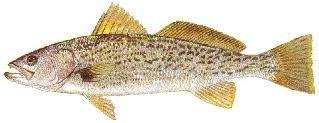
The Squeteague (Cynoscion regalis) is a remarkable sea trout belonging to the Sciaenidae family within the order Perciformes. More commonly called Weakfish by anglers and locals, this species is easily recognized by its distinctive olive-green coloring with iridescent gold, green, copper, and lavender freckles adorning its sides and back. What makes the Squeteague particularly special is its reputation as both a challenging game fish and the official state fish of Delaware—a distinction that speaks to its cultural significance along the Atlantic coast. Whether you're fishing the Delaware Bay or exploring coastal waters from Canada to northern Florida, encountering this spirited fish is a genuine highlight of any angling adventure.
Squeteague Habitat and Distribution
The Squeteague thrives in a variety of coastal environments, showing a strong preference for salty marsh creeks, estuaries, bays, and shallow waters along sandy shores. Young Squeteague typically inhabit deeper waters and rivers with sandy and grassy bottoms, using nearshore areas of the Atlantic Ocean as nurseries. As they mature, adults migrate to feeding grounds characterized by eelgrass habitats, oyster reefs, and rocky areas. Geographically, this species ranges from Canada down to northern Florida along the eastern coast of North America, with significant populations in the Chesapeake Bay and Gulf of Mexico. Unfortunately, the conversion of coastal areas to agricultural lands has increasingly threatened their natural habitats, making conservation efforts more important than ever.
Squeteague Size and Weight
Squeteague typically range from 14 to 39 inches in length, with most fish weighing between 12 to 20 pounds. While the average catch hovers around 14 to 26 inches, experienced anglers occasionally land trophy-sized specimens that push toward the upper end of the size range. The sleek, slightly flattened body of the Squeteague makes it an efficient swimmer, and size can vary considerably depending on habitat quality, food availability, and water temperature. Understanding these size parameters helps anglers set realistic expectations and comply with local regulations, particularly in jurisdictions like New Jersey where minimum size limits are enforced.
Squeteague Diet and Behavior
The Squeteague is an active, fast-swimming predator that hunts in small schools near the water's surface. This species employs a strategic hunting technique—slowly approaching prey before launching a violent attack with its mouth wide open. Their diet consists of crabs, worms, mollusks, anchovies, Atlantic menhaden, killifish, and other small fish species. Interestingly, despite belonging to the drum family, the Squeteague lacks the sensory barbel chin found in other drum cousins, meaning it does not engage in bottom-feeding behavior. Instead, it relies on visual hunting and quick reflexes. In turn, adult Squeteague fall prey to striped bass, dusky sharks, and bluefish, making them an important link in the Atlantic coastal food chain.
Squeteague Spawning and Seasonal Activity
The Squeteague's breeding season occurs during spring and early summer when water temperatures range from approximately 50°F to 65°F. During this critical period, the species produces distinctive drumming or croaking sounds created by contractions of abdominal muscles against the swim bladder—a behavior unique to the drum family. These vocalizations serve as important reproductive signals between fish. The species is most abundant and actively feeding from April through October, making this the prime window for both recreational and commercial fishing. However, populations have experienced decline in recent decades due to bycatch, particularly in shrimp trawls, leading to the implementation of various protective regulations including minimum size limits, commercial creel restrictions, and mandatory bycatch reduction gear.
Squeteague Techniques for Observation and Capture
Live Bait and Small Lures: The Squeteague responds well to live baits such as killifish, silversides, and small mullet. Cast near eelgrass beds and oyster reefs during early morning or late afternoon hours when feeding activity peaks. Small soft plastic lures and metal jigs also produce excellent results. Remember that this species is notoriously shy and fussy, so a light touch and patience are essential—use lighter tackle when conditions permit.
Temperature-Targeted Fishing: Focus your efforts when water temperatures fall within the preferred range of 50°F to 65°F. Use a reliable thermometer to identify promising zones, particularly around creek mouths and bay entrances where warm and cool water mix. Early spring and fall transitions often provide spectacular fishing opportunities.
Local Hotspots and Timing: Around Delaware Bay and similar coastal areas, target dawn and dusk when the Squeteague moves into shallow feeding grounds. Fish structure such as pilings, submerged timber, and rocky outcroppings where forage fish congregate. Pay attention to tidal movements, as many coastal anglers find slack tide and the initial stage of incoming tide most productive. In New Jersey, remember that recreational anglers are currently limited to one Squeteague per outing, with a 13-inch minimum length requirement—regulations that help sustain this treasured fishery for future generations.
Squeteague Culinary and Utilization Notes
The Squeteague is regarded as good eating with mild, flaky white meat that takes well to various preparation methods. Its culinary appeal has made it valuable for both recreational and commercial fisheries, though many anglers prefer to release them due to their sporting qualities and declining populations. When kept, Squeteague should be iced immediately and filleted fresh for best flavor. The flesh is versatile—it can be pan-fried, baked, grilled, or poached. From a sustainability perspective, checking local regulations and respecting minimum size limits ensures this species remains available for future anglers and coastal communities that depend on healthy fish populations.
Squeteague Frequently Asked Questions
Q: Why is the Squeteague called Weakfish?
A: The name comes from the fish's weak mouth muscles, which make it prone to tearing free from hooks. This trait actually adds to their appeal as game fish—landing a Squeteague requires finesse and a careful fight.
Q: What is the best bait for catching Squeteague?
A: Live bait is highly effective, particularly small killifish, silversides, and mullet. Fresh shrimp also works well in some areas. Small jigs and soft plastic lures mimic natural prey and produce reliable results, especially around structure.
Q: Where can I find Squeteague near Delaware?
A: Delaware Bay, the Chesapeake Bay region, and coastal bays from Maryland to New Jersey offer excellent Squeteague fishing. Focus on shallow, sandy areas near eelgrass and oyster beds during spring through fall months.
Q: When is the best time to catch Squeteague?
A: April through October represents peak season, with particularly strong activity during spring spawning (May-June) and fall feeding periods. Fish during early morning, late afternoon, and around slack tide for best results.
Q: Is Squeteague good to eat?
A: Yes, Squeteague has mild, flaky white meat considered good eating. However, many anglers release them to support conservation efforts, as populations have declined. Always check local regulations before keeping any fish.
Q: What water temperature do Squeteague prefer?
A: Squeteague are most active in waters ranging from 50°F to 65°F. Targeting these temperature zones during spring and fall transitions often yields the most productive fishing.
Atlantic Croaker Overview
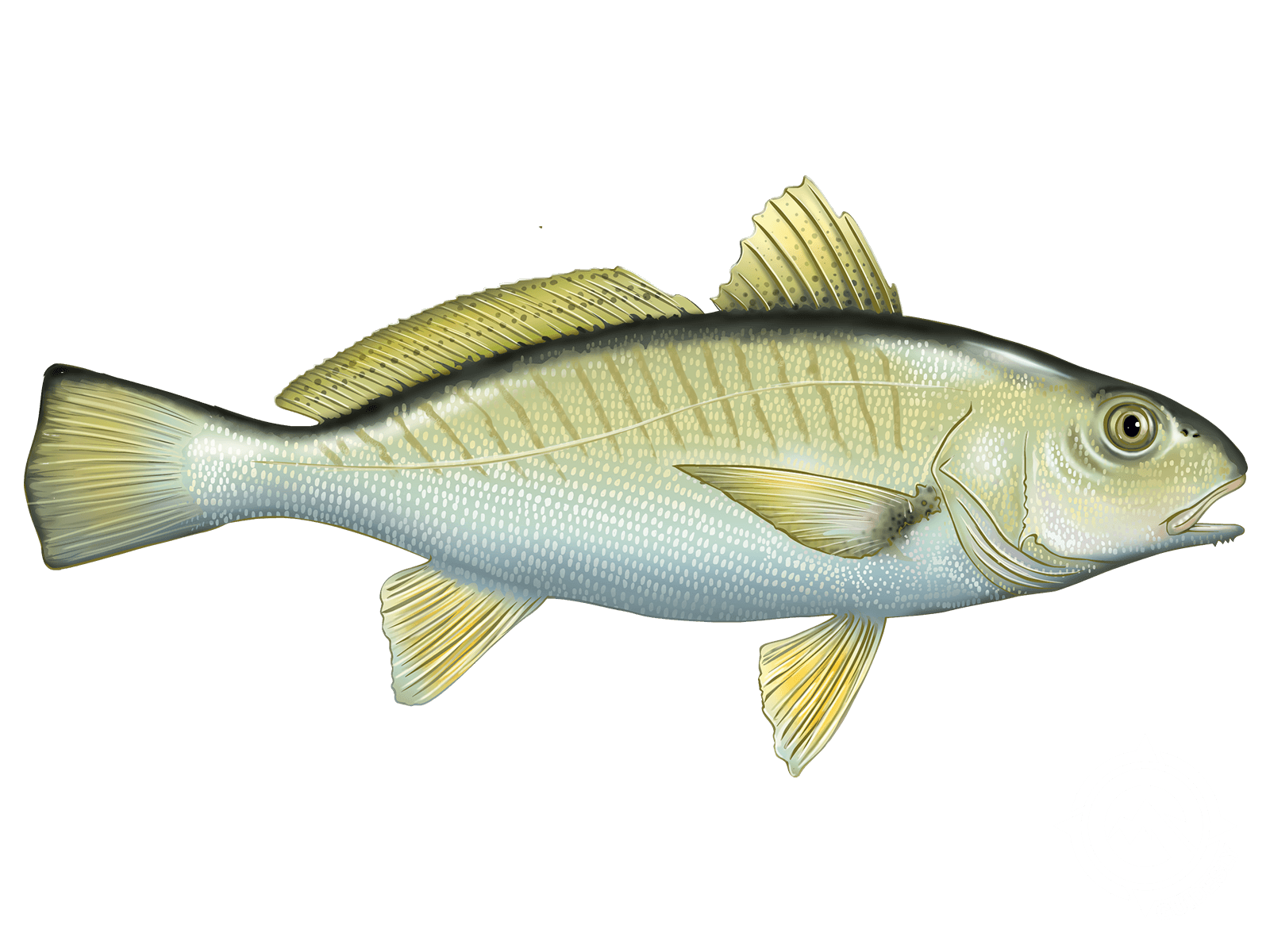
The Atlantic Croaker (Micropogonias undulatus) is a distinctive pink-silvery fish belonging to the family Sciaenidae within the order Perciformes. Known for its striking oblique brown spots and elongated flat body, this small game fish has captured the attention of anglers and seafood enthusiasts along the Atlantic coast for generations. What truly sets the Atlantic Croaker apart is its remarkable ability to produce loud croaking sounds—earned from its reputation as the loudest member of the drum family. If you're planning a fishing trip to Chesapeake Bay or exploring estuarine waters from Massachusetts to Florida, understanding this vocal little fighter will dramatically improve your success on the water.
Atlantic Croaker Habitat and Distribution
The Atlantic Croaker thrives in a diverse range of aquatic environments, making it one of the most accessible game fish for recreational anglers. These native fish are commonly found in estuaries, offshore waters, and along continental shelves where muddy bottoms prevail. Their geographic range spans the Atlantic coast from Massachusetts down to Florida, with significant populations also inhabiting the Gulf of Mexico. One of the premier destinations for encountering Atlantic Croaker is the legendary Chesapeake Bay, where these fish make a predictable seasonal pilgrimage from March through October. They prefer depths ranging from 26 to 266 feet and thrive in water temperatures between 60.8 and 77 degrees Fahrenheit. During fall months, adult croakers migrate to continental shelves to spawn, then overwinter before returning to their estuarine homes as spring arrives.
Atlantic Croaker Size and Weight
The Atlantic Croaker is classified as a small game fish, though calling it small doesn't diminish its fighting spirit or appeal to anglers. The average Atlantic Croaker measures around 18 inches in length and typically weighs approximately 1 pound. However, trophy hunters should know that the largest Atlantic Croaker on record stretched 27 inches and tipped the scales at an impressive 8 pounds. What's particularly remarkable about this species is how quickly it matures—most individuals reach full adulthood by just 1 to 2 years of age, which explains why populations remain relatively robust in well-managed waters.
Atlantic Croaker Diet and Behavior
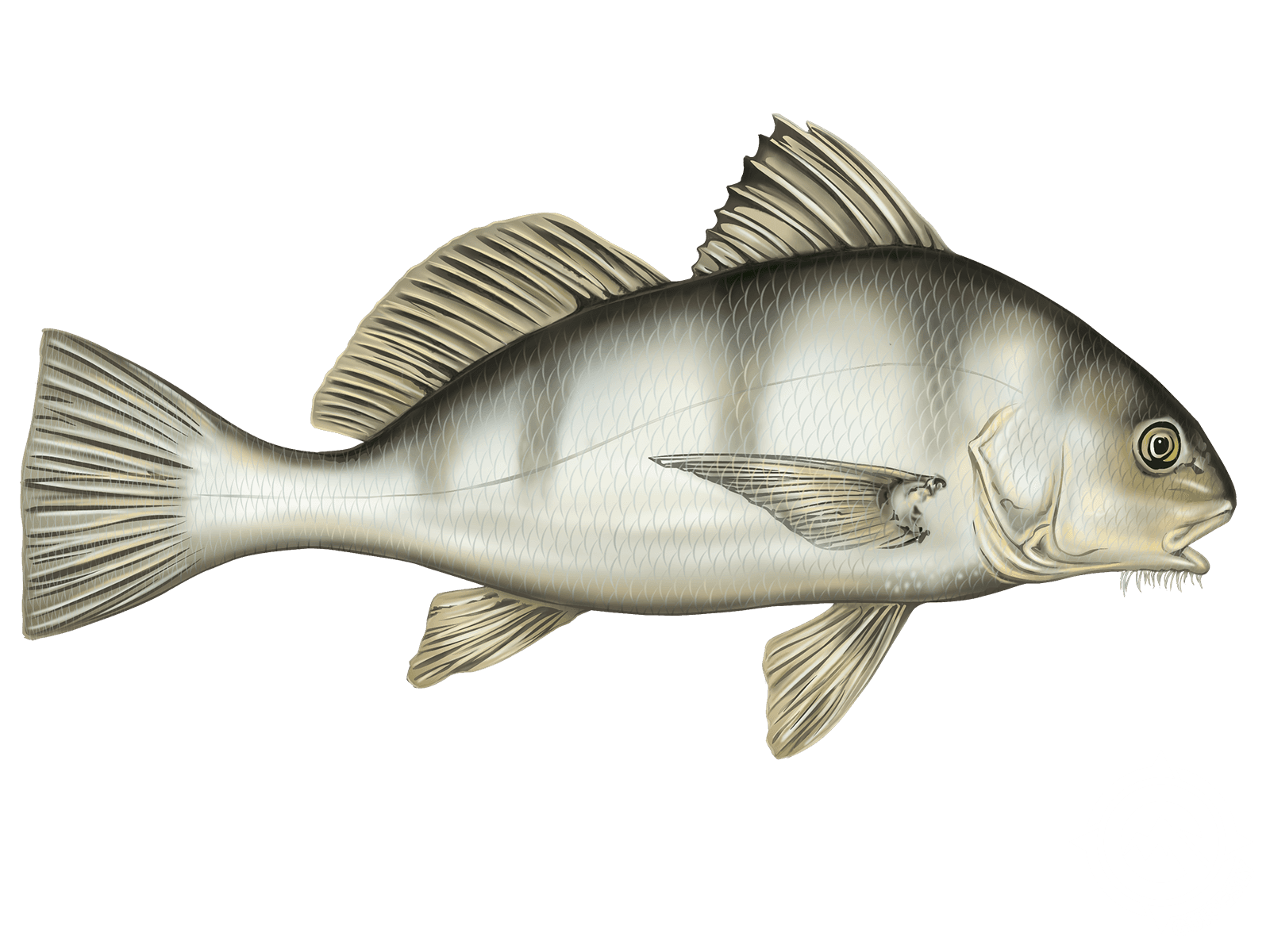
As dedicated bottom feeders, Atlantic Croaker spend their days methodically searching the ocean floor using their distinctive chin barbels—sensory appendages that help them locate food in murky water. Their diet is delightfully varied and includes crustaceans like shrimp and crabs, marine worms, mollusks, small fish, and organic debris. The most fascinating behavioral trait of the Atlantic Croaker is undoubtedly its acoustic communication. Males produce their famous croaking sounds to attract mates during spawning season, while females employ the same vocalizations as a fright response when threatened or hooked. If you successfully land an Atlantic Croaker, prepare yourself—you'll likely hear its distinctive protest call, a sound that has earned the species its common name and legendary status among anglers who've encountered them.
Atlantic Croaker Spawning and Seasonal Activity
Understanding the seasonal movements of Atlantic Croaker is crucial for successful angling year-round. These fish follow a well-established annual cycle that drives their distribution across different habitats. From March through October, Atlantic Croaker populations concentrate in estuaries and bays, including prime locations like Chesapeake Bay, making this period the peak season for recreational fishing. As water temperatures cool in autumn, mature fish migrate to deeper continental shelf waters where they spawn and establish overwintering grounds. This spawning season typically occurs in fall, and the eggs develop through winter in these deeper, more stable offshore environments. Come spring, the cycle repeats as water warms and adult Atlantic Croaker begin their return journey to estuarine nurseries, timing their arrival perfectly with the season's environmental changes.
Atlantic Croaker Techniques for Observation and Capture
Method One: Ghost Shrimp Bottom Rigging
For maximum success targeting Atlantic Croaker, gather ghost shrimp—their preferred natural meal—directly from the waters where you're fishing. Look for tiny holes in shallow sandy or muddy areas and carefully pump out these crustaceans for live bait. Rig them on a 6-foot medium rod with 12 to 20-pound test line attached to a double hook bottom rig. Use hook sizes 3 or 4, since Atlantic Croaker mouths aren't particularly large. Attach a 1-ounce egg weight to the leader line approximately 1 foot above your bait to keep the rig on bottom where these feeders actively hunt. Fish depths of 25 to 30 feet, focusing on channels and deep holes before or immediately after high tide.
Method Two: Alternative Natural Baits and Lures
If ghost shrimp aren't available, Atlantic Croaker respond enthusiastically to bloodworms, squid, and clams. Many experienced anglers have found remarkable success with gleaming artificial lures that catch the fish's attention underwater, particularly underspins and spoons that mimic baitfish. Bucktails also produce consistently good results. When using lures, work them slowly along the bottom and maintain contact with the substrate where Atlantic Croaker conduct their feeding operations.
Method Three: Seasonal Hotspot Fishing Around Chesapeake Bay
Around the Chesapeake Bay region, time your Atlantic Croaker expedition for the prime March through October window when fish populations surge into estuarine environments. Target areas with known channels and deep holes using the techniques mentioned above. Focus your efforts during slack tide periods just before and after high tide, when Atlantic Croaker activity typically peaks. Local guides in Maryland and Virginia consistently report best results using live ghost shrimp presented on the bottom in 20 to 30-foot depths.
Atlantic Croaker Culinary and Utilization Notes
Beyond their reputation as fighters and conversation pieces for their croaking abilities, Atlantic Croaker offer legitimate culinary value. These fish possess mild, flaky white meat with an average taste quality that appeals to many seafood enthusiasts. The meat is best enjoyed fresh and works well prepared simply—pan-fried, baked, or grilled. Given their small to moderate size and the regulations in many areas encouraging their harvest, taking home a few Atlantic Croaker for dinner represents a sustainable and delicious reward for your angling efforts. Local restaurants in coastal regions from Massachusetts to Florida occasionally feature Atlantic Croaker on their menus, particularly during peak season when supply justifies the preparation effort.
Atlantic Croaker Frequently Asked Questions
Q: What is the best bait for catching Atlantic Croaker?
A: Ghost shrimp stands as the most effective live bait for Atlantic Croaker, though bloodworms, squid, and clams also produce excellent results. Live bait outperforms artificial options, though gleaming lures like undersp ins and spoons can be effective when natural baits aren't available.
Q: Where can I find Atlantic Croaker near major East Coast fishing destinations?
A: Chesapeake Bay represents perhaps the most famous Atlantic Croaker fishery, with reliable populations from March through October. Additionally, estuaries and offshore waters along the Atlantic coast from Massachusetts to Florida and throughout the Gulf of Mexico consistently hold these fish. Look for muddy bottom areas in depths between 26 and 266 feet.
Q: Is Atlantic Croaker good to eat?
A: Yes, Atlantic Croaker offers mild, flaky white meat with average culinary quality. The fish tastes best when prepared fresh and works well with simple cooking methods like pan-frying, baking, or grilling. Many coastal communities consider them a worthwhile food fish.
Q: When is the best time to catch Atlantic Croaker?
A: The peak Atlantic Croaker season runs from March through October, with many waters experiencing best fishing during slack tide periods just before and after high tide. Focus your efforts during these windows for maximum productivity.
Q: Why do Atlantic Croaker make croaking sounds, and will I hear them if I catch one?
A: Atlantic Croaker produces croaking sounds by vibrating strong muscles against their swim bladder. Males use these vocalizations to attract mates, while females employ them as fright responses. Yes—you will very likely hear their distinctive croaking call when you successfully land one, a thrilling and unmistakable confirmation of your catch.
Q: How quickly do Atlantic Croaker mature, and does this affect fishing opportunities?
A: Atlantic Croaker mature remarkably fast, reaching full adulthood by just 1 to 2 years of age. This rapid maturation cycle helps maintain robust populations and means that even younger fish can reproduce, providing consistent fishing opportunities across many seasons and locations.
More species you can explore on this trip
Get'n Hooked Inshore Adventures Available Trips
Other customer memories from this trip
Captain Clinton's charter boat puts you in the right position to fish the Louisiana marshes effectively. The vessel offers comfortable seating and plenty of casting room for two guests, so you're not crowded or competing for space during the day. There's good visibility of the water around you, which is key when you're sight-fishing or watching for feeding activity. The boat's designed for working these shallow, protected marsh waters where you can get tight to structure and grass beds without feeling exposed. You'll notice the setup keeps everything functional - rod holders, cooler space for your catch, and organized gear placement so you can focus on fishing instead of fumbling around. The whole experience feels like you're on the water with someone who knows these specific marshes inside and out, not just cruising randomly.